


The Best Handgun Ammo for Accuracy, Stopping Power, and Self-Defense
Handgun ammo is the heart of your firearm’s performance, and understanding it is the first step to feeling confident and safe at the range. Each cartridge combines a primer, powder, and bullet, engineered to ignite in perfect sequence when you pull the trigger. Matching the right caliber and bullet type to your pistol’s purpose—whether for target practice or personal defense—makes every shot more reliable and comfortable. Start with lighter recoil loads to build your skill, and you’ll find shooting becomes a rewarding, stress-free experience.
Choosing the Right Cartridge: Caliber Explained Simply
Choosing the right cartridge starts with understanding that caliber is just the bullet’s diameter, but the cartridge’s length and pressure determine its power. For handgun ammo, think of your goal: concealed carry vs. home defense. A 9mm Luger offers a great balance of capacity, recoil control, and stopping power, making it the easiest all-around pick. If you want less snap for new shooters, a .380 ACP is milder but less potent. For deep penetration or outdoor threats, a .45 ACP delivers heavy thump, though you’ll carry fewer rounds. The real trick is matching the bullet weight (like 115gr vs 147gr) to your gun’s barrel twist. Always test a few boxes—your hand will tell you which caliber choice feels right before your head does.
9mm vs .45 ACP vs .380: What Each Round Actually Does
The 9mm delivers higher velocity and lower recoil, translating to faster follow-up shots and deeper penetration through clothing, making it the best all-around defensive choice. The .45 ACP launches a heavier, larger-diameter slug, creating a wider wound channel and more terminal energy transfer, but at the cost of sharper recoil and reduced magazine capacity. The .380 ACP, while compact and manageable in pocket pistols, produces significantly less momentum; its performance relies heavily on premium expanding bullets because it often lacks the speed to reliably open up from short barrels. Choose by reading the wound profile each creates:
- 9mm: high capacity, low muzzle flip, reliable barrier defeat.
- .45 ACP: maximum crushing damage per hit, slower handling.
- .380: minimal control challenge, but marginal penetration demands precise shot placement.
Matching Bullet Size to Your Firearm’s Purpose
Matching bullet size to your firearm’s purpose boils down to what the gun will actually do. For concealed carry, lighter, faster rounds like 9mm 7mm-08 Ammo for Sale let you shoot quickly and control recoil in tight spaces. For home defense, a heavier bullet—think .45 ACP—delivers more stopping power but kicks harder, which matters if you’re waking up groggy. For target practice, stick with cheaper, mid-weight loads that feel consistent shot after shot. The key is purpose-driven bullet selection, not just what looks cool on paper. Your gun’s barrel twist and action type also favor certain weights, so test a few before settling.

- Carry guns: prioritize manageable recoil and penetration.
- Home defense: favor heavier bullets for barrier penetration.
- Range plinking: choose budget-friendly weights that cycle reliably.
Breaking Down Bullet Types: Which Design Fits Your Need
Selecting handgun ammo hinges on matching bullet design to your intended use. Full metal jacket (FMJ) rounds feature a lead core fully encased in copper, offering reliable feeding and deep penetration, making them ideal for range practice and training. Jacketed hollow points (JHP) expand upon impact, creating a larger wound channel while reducing over-penetration risk, which suits personal defense. For deeper penetration through barriers or thick clothing, bonded jacketed flat points (JFP) retain weight better than standard JHP. Soft points (SP) offer intermediate expansion and are a choice for hunting with a handgun, though they may clog with heavy fabric. For recoil-sensitive shooters, lighter grain weights in any design reduce felt recoil, while heavier grains deliver more momentum. Q: Which bullet type is best for concealed carry? A: A modern JHP with controlled expansion, such as a bonded or polymer-tipped design, provides the reliable stopping power and reduced over-penetration needed for defensive scenarios.
Full Metal Jacket vs Hollow Point: Penetration and Expansion
When comparing **Full Metal Jacket vs Hollow Point: Rifle Ammo for Sale Penetration and Expansion**, the trade-off is stark. FMJ rounds feature a hardened copper jacket that resists deformation, driving straight through barriers and tissue with deep, predictable penetration—ideal for target practice or piercing heavy clothing. Hollow points, however, are engineered to expand upon impact, doubling their diameter while shedding velocity dramatically. This expansion limits over-penetration, reducing collateral risk in defensive scenarios. The core question is whether you prioritize barrier-blind depth or controlled energy dump. For self-defense, expansion saves lives; for training, FMJ saves money. Choose based on your primary threat profile, not hype.
Q: Does Full Metal Jacket vs Hollow Point: Penetration and Expansion matter more for concealed carry?
A: Yes—hollow points expand to stop threats faster, while FMJ’s deeper penetration risks hitting bystanders. Expansion is your safety margin.
Specialty Rounds: Frangible, Flat Nose, and Wadcutter Uses
Frangible rounds shatter upon impact with hard surfaces, making them ideal for steel-target practice and close-quarters training where ricochet risks are unacceptable. Flat nose bullets deliver a larger meplat, transferring energy efficiently through barriers and reducing deflection in tubular magazines—a critical advantage in lever-action handguns like the 1894. Wadcutters, with their sharp, full-caliber shoulder, excise clean paper holes for precise scoring in bullseye competition, while their blunt profile also induces rapid tissue disruption at low velocities. However, the flat nose’s stability through a semiautomatic feed ramp demands careful cartridge overall-length testing. Selecting between these requires matching terminal effect to your specific discipline: frangible for range safety, flat nose for penetration, wadcutter for accuracy.
How Grain Weight Changes Recoil, Velocity, and Accuracy
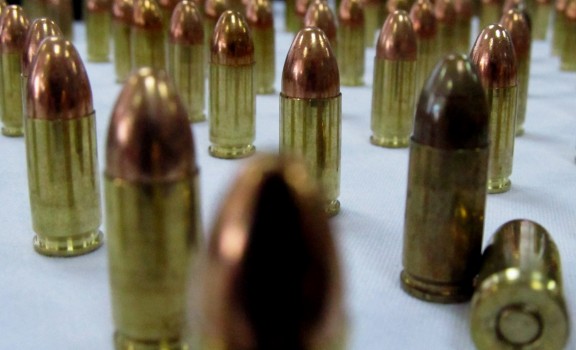
In handgun ammunition, grain weight directly dictates the pressure curve generated upon ignition. Heavier bullets, such as 147-grain 9mm loads, produce more recoil impulse because they require greater force to accelerate, yet they often achieve lower peak velocity than lighter 124-grain counterparts. Conversely, lighter projectiles like 115-grain travel faster, which can flatten trajectory but may also cause snappier perceived recoil due to faster acceleration. Accuracy hinges on matching the bullet’s barrel time to the firearm’s natural harmonic frequency, meaning a particular grain weight can shrink groups in one barrel while opening them in another. Velocity differences between grains affect wind drift and impact point at extended handgun ranges, yet most defensive engagements occur inside 15 yards where the gap is minimal. Your grip strength and recoil spring weight will ultimately determine whether a heavier grain feels harsher or actually smoother to you. Therefore, test several loads from a rest to isolate which grain weight yields the tightest practical dispersion.
Light vs Heavy Bullets: What You’ll Feel at the Range
At the range, the difference between light and heavy bullets is immediate and physical. Lighter loads, like 115-grain 9mm, produce a sharper, snappier kick that pushes straight back into your palm, making rapid follow-up shots feel hasty. Heavier projectiles, such as 147-grain, deliver a deeper, slower shove—a rolling push that lets you stay on target with less muzzle flip. This softer recoil impulse is why many shooters find heavy bullets reduce perceived muzzle rise, leading to tighter groups during timed drills. Accuracy shifts too: light bullets often print low due to less barrel time, while heavy rounds typically group higher and steadier. Expect your grip to fatigue faster with light loads, while heavies reward a relaxed hold with smoother cycling.
Q: Which bullet weight feels easier to control during rapid fire?
A: Heavier grains—the extra mass slows the recoil pulse, so you’re not fighting a violent snap, letting you reacquire your sights quicker and keep your rhythm.
Finding the Sweet Spot for Your Barrel Length
Finding the sweet spot for your barrel length means balancing velocity gains against muzzle flip and portability. A 4–5 inch barrel typically delivers near-maximum powder burn for most handgun rounds, while shorter barrels waste propellant, reducing speed and increasing perceived recoil. Test your chosen grain weight across two lengths—say, 3.5 and 5 inches—to see where accuracy tightens. Optimal barrel length for grain weight emerges when group sizes shrink and felt recoil stabilizes. Follow this sequence:
- Chrono your load at each length to compare velocity.
- Shoot five-round specialty sports groups at 15 yards, noting vertical stringing.
- Choose the length where velocity loss is minimal but control improves.
That sweet spot maximizes precision without sacrificing carry comfort.
Reading the Box: Velocity, Pressure, and Performance Numbers
The numbers printed on a handgun ammo box are your primary window into how the cartridge will behave before you pull the trigger. Velocity, listed in feet per second, tells you the projectile’s speed from a specific test barrel length—shorter barrels will yield lower real-world numbers, so compare Ammunition for Sale relative performance, not absolutes. Pressure, often shown as PSI or CUP, indicates the internal stress generated during firing; staying within your firearm’s specified range is non-negotiable for safe function, and a higher pressure reading often correlates with sharper recoil impulse and harsher slide cycle. Performance numbers, such as energy (ft-lbs) or expansion data, are derived from velocity and bullet design, giving you a practical snapshot of terminal effect for self-defense or hunting. Do not ignore the lot-specific chronograph results if printed, as they reflect actual test conditions. For example, a 124-grain 9mm listed at 1150 fps from a 4-inch barrel will drop roughly 100–150 fps from a 3-inch subcompact. Q: Why does a same-load box show different velocity on my chronograph? A: Because your barrel length, cylinder gap (if revolver), and ambient temperature all alter real-time pressure and speed versus the manufacturer’s test setup.
Muzzle Energy vs Stopping Power: What the Stats Really Mean
Muzzle energy, often quoted in foot-pounds, is a physics calculation—mass times velocity squared—but it doesn’t translate directly to tissue disruption. Stopping power hinges on bullet expansion, penetration depth, and shot placement, not sheer kinetic force. A fast, light round may show impressive energy on paper yet zip through a target without dumping that force efficiently. Conversely, a heavier, slower slug with lower muzzle energy can crush more tissue and create a larger wound channel. The stats give you a ceiling, not a promise; real-world performance depends on whether the bullet stays on course and expands at handgun velocities. Treat energy figures as a baseline 7mm WSM Ammo for Sale for recoil and trajectory, then prioritize load design for defensive reliability.
Muzzle energy measures potential, but stopping power is delivered by bullet construction and precision placement—stats alone don’t stop a threat.

Standard Pressure vs +P Loads: When You Can Safely Push Limits
Standard pressure ammunition is the baseline for which most handguns are proof-tested, 6.5 Creedmoor Ammo for Sale operating within SAAMI’s established limits. +P loads safely push limits only when your firearm is explicitly rated for them, typically noted on the barrel or in the manual. Exceeding standard pressure increases velocity and energy, but it also accelerates wear on springs and frames. Crucially, modern, full-sized pistols of reputable make often tolerate +P, while older revolvers, alloy-framed compacts, or polymer guns with unmarked chambers may not. The determining factor is not the cartridge’s case hardness but the firearm’s design margin. Cyclic pressure spikes translate to felt recoil and slide velocity; without factory authorization, you risk catastrophic failure. Always verify chamber markings before substituting ammunition.
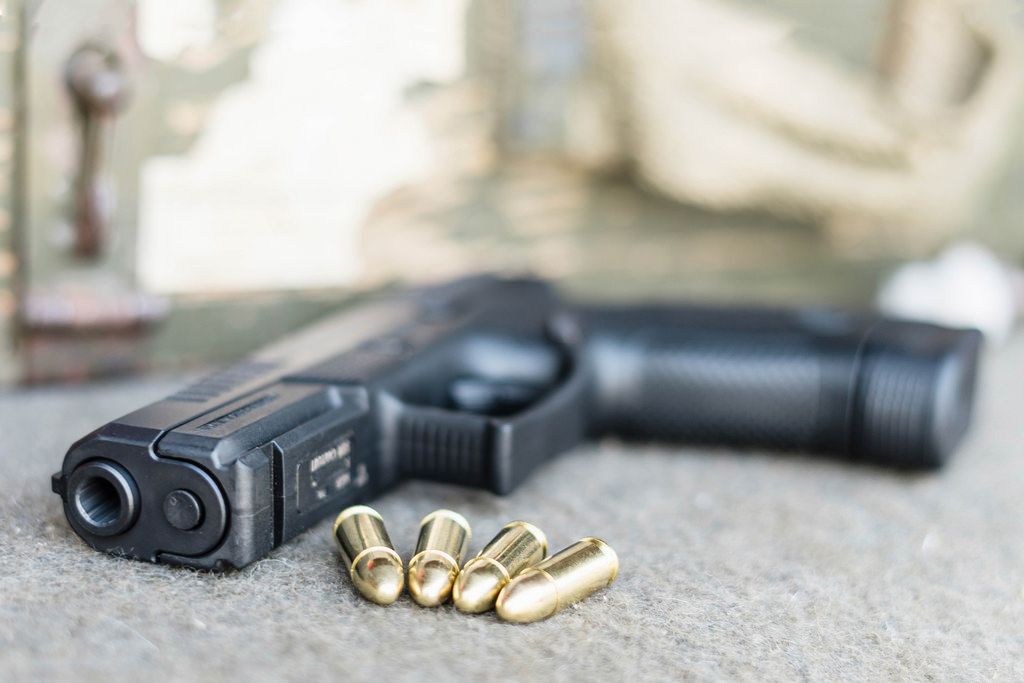
Safe +P use hinges on explicit firearm certification, not desire for performance, since unrated guns incur premature stress Handgun Ammo for Sale and possible failure.
Buying Smart: Packaging, Storage, and Shelf Life Tips
Standing at the reloading bench, I learned that buying handgun ammo smart starts with the box itself. You want factory-sealed packaging, preferably in moisture-resistant trays, because loose rounds in bulk bags invite primer contamination and case damage. I always check the headstamp date if printed, then transfer my stash into airtight ammo cans with desiccant packs, storing them in a cool, dark closet away from temperature swings. Rotating your stock is the real trick: use older boxes for range practice, keep the freshest sealed Rimfire Ammo for Sale cases for defensive loads.
Ammo doesn’t spoil like milk, but powder degrades and primers weaken after years of heat and humidity—so label every can with purchase month and lot.
That habit saved me from misfires during a dusty summer session, proving that a few minutes of smart packaging beats a box of corroded duds later.
How to Inspect Brass, Primer, and Seating Before You Load
Before seating a bullet, inspect brass for case mouth cracks, bulges, or split necks by running a thumbnail around the rim and looking for bright rings near the web. Check primer pocket tightness—a loose pocket means pressure signs or worn brass, so discard it. Seat primers flush or slightly below the case head, feeling for uniform resistance; high 6.5 PRC Ammo for Sale primers cause misfires. For seating depth, pull a loaded round and measure overall length against your manual, ensuring the bullet doesn’t touch the rifling. Rotate each case under good light, verifying the crimp is even and the bullet is straight, not tilted. Toss any brass with corroded green patches or a missing flash hole—these fail unpredictably.
Proper Ammo Storage to Prevent Misfires and Corrosion
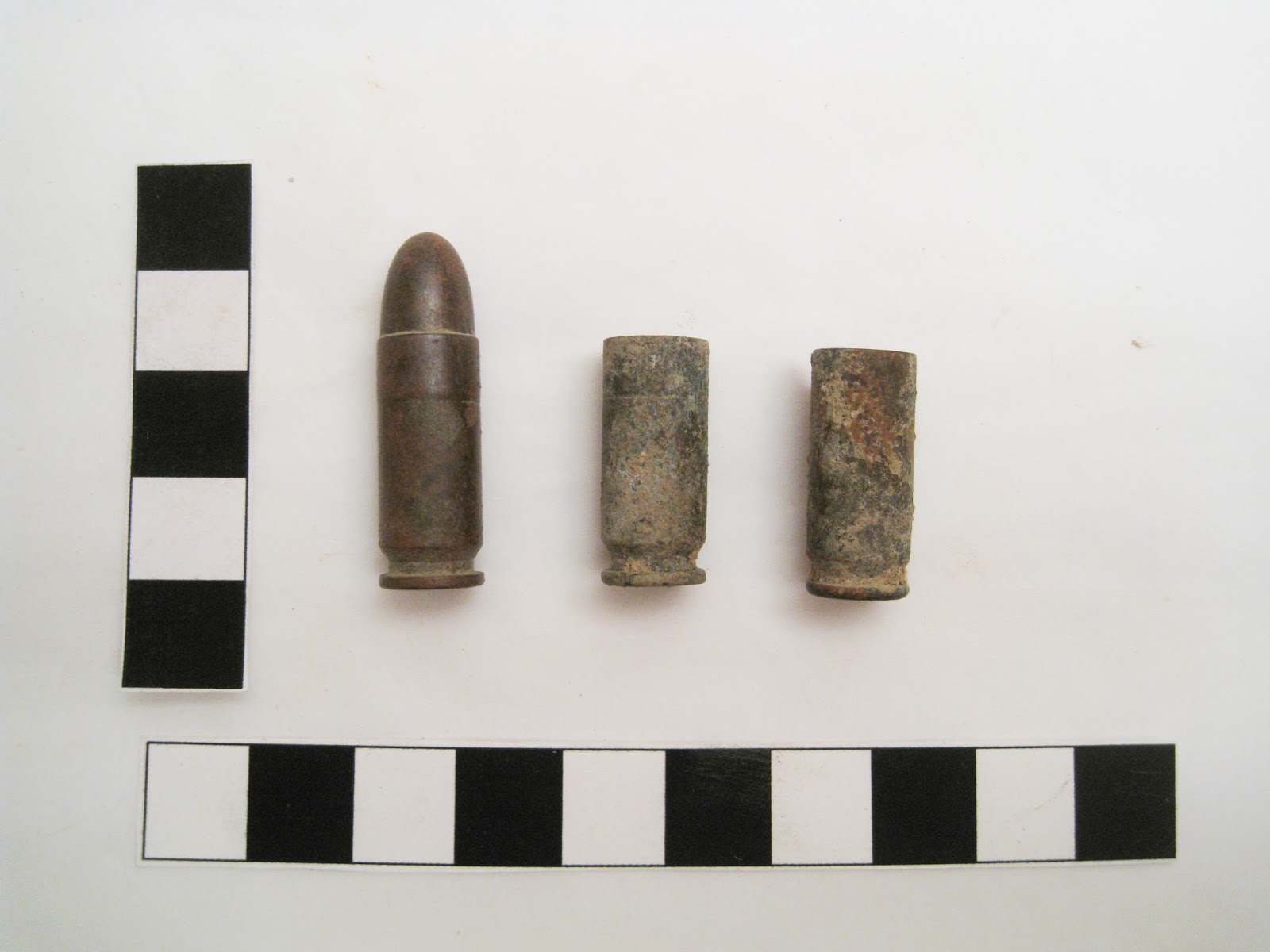
Store handgun ammunition in a cool, dry environment, ideally below 75°F with under 50% humidity, because heat and moisture degrade propellants and primers, directly causing misfires. Use sealed, military-grade ammo cans with desiccant packs to keep out atmospheric moisture, which oxidizes brass cases and rusts steel components. Rotate your stock every six months, firing older rounds first, to prevent prolonged compression of the bullet into the case from static pressure. Avoid storing rounds in leather or cloth pouches, as these wick humidity onto the cartridge surface. Proper ammo storage to prevent misfires and corrosion also means keeping rounds away from solvents, oils, or cleaning chemicals, which can penetrate the primer pocket and deaden ignition. Inspect stored rounds quarterly for green patina or speckling on the case; discard any corroded ammunition immediately, as it risks chamber obstruction or hang-fires.
Keep handgun ammo sealed, cool, dry, desiccated, and chemical-free; rotate stock regularly—this prevents corrosion and ensures reliable ignition, eliminating misfire risks.
Zeroing In: Practical Tips for Testing and Selecting Your EDC Load
To zero in on your EDC load, stop bulk-buying before you test. Buy a box of three or four candidate rounds—say, a 124gr +P JHP and a 124gr standard-pressure bonded core—then run them back-to-back from your actual carry gun. Shoot slow, deliberate five-shot groups at seven yards first; if a load prints a ragged hole instead of a tight cluster, it’s out. Next, fire the same round from a holster, one-handed, and weak-handed, because a round that jams when your grip slips is worthless. Check your ejection pattern for consistency; erratic brass throwing means gas pressure is fighting your recoil spring. Finally, shoot ten rounds after a fast magazine swap—your EDC load selection must feed reliably from a locked-back slide. The winner is the one that cycles every time, hits point-of-aim, and lets you track your front sight through recoil. Keep that load’s lot number and practice with it exclusively.
Reliability Testing: How Many Rounds to Run Before Trusting a Load
Before you trust any defensive handgun load, you must define a reliability threshold that matches your exposure. A hundred rounds through one gun proves little; run at least 200 rounds of your exact carry ammunition across multiple magazines, including your worn spare. Mix in failure drills—shoot weak-hand, from retention, and after a simulated malfunction—because feeding issues often surface under compromised grips. Then add 50 rounds of your duty load after deep-cleaning the pistol to see if lubrication changes affect extraction. If you see one stoppage in that 250-round stretch, restart the count with a different lot number. Your life depends on that zero-failure baseline, so never extrapolate from another shooter’s results.
Common Feeding Issues and How Ammo Shape Affects Them
Feeding reliability starts with bullet profile, and flat-nosed or hollow-point rounds often snag on the feed ramp of a tight barrel. Round-nose ball ammo feeds flawlessly because its smooth ogive glides upward, but defensive loads with blunt meplats can stall unless the ramp is polished or the recoil spring matches the load’s power. Bullet shape directly dictates feeding consistency, so test your EDC with a full magazine of your chosen hollow points, then cycle a few rounds by hand to feel for hesitation. If you see nosediving or rim catches, switch to a more tapered bullet or a shorter overall length. A simple sequence helps: fire 200 rounds of the candidate load, inspect spent cases for setback, then try it in a cold, dirty gun. Only trust a load that feeds every single time from slide lock, because a Shotgun Ammo for Sale jam during a threat is fatal.